The 2075-mile canvas
Every year, fans turn the Tour de France into the world’s longest art gallery. Road painting is technically illegal but culturally essential—here’s how it became part of cycling’s greatest race.
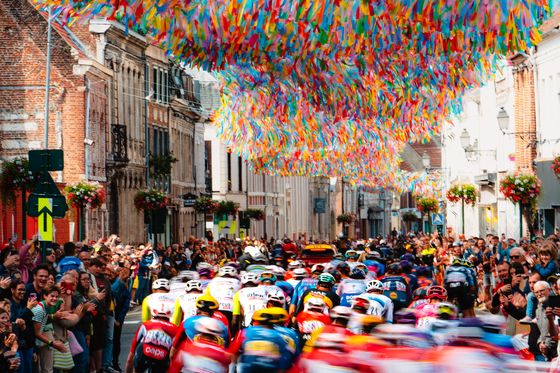
When it comes to witnessing the world’s greatest works of art—France has no shortage of grandmaster collections. Yet away from the Louvre & Pompidou, every year another form of artistic expression comes to life along the Tour de France route—road painting.
Exactly when road painting became a fixture of the Tour de France is much debated, yet most agree it was with the introduction of more extensive TV coverage in the 1970’s that the tradition gained significant traction.

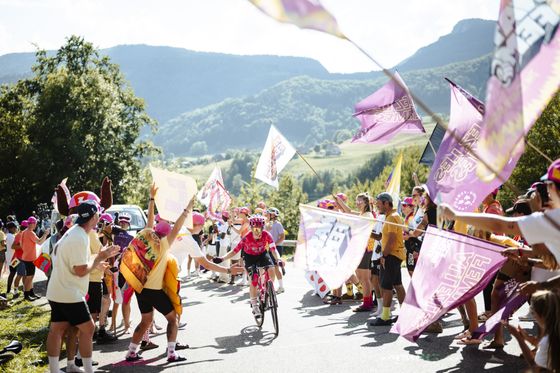
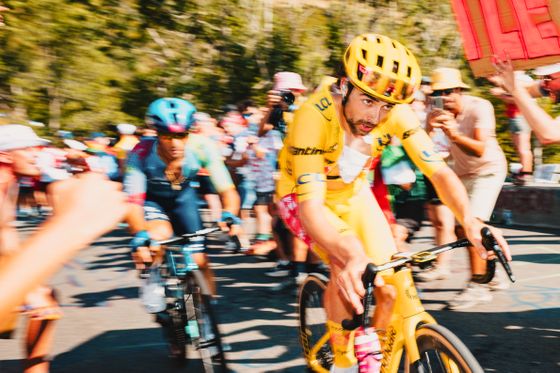
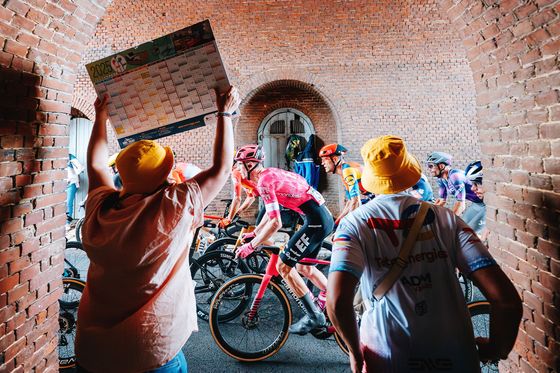
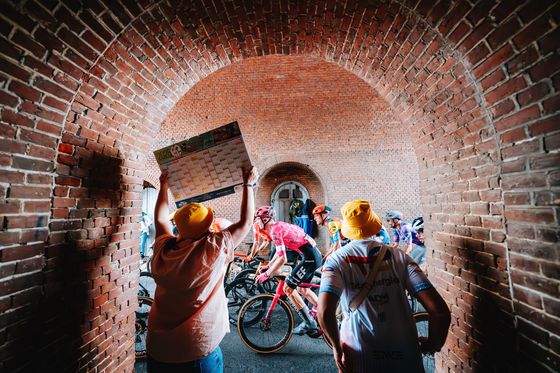
Inspired by the painted logos of Tour de France sponsors at stage finish-lines, race fans began etching their own words of encouragement along stretches of road that made up the Tour’s toughest climbs. What picture of a mountain stage dual between two of the Tour’s best riders would be complete without the tunnel of spectators pouring onto the street or the gallery of original fan artworks under wheel?

Despite technically being an illegal act—then as it is now—road painting has grown beyond simple messages of support to become a core part of the Tour de France culture, even spawning its own sub-genre of street art, as artists such as Guilty76 (pictured above) arrive weeks before the event to claim the best stretches of asphalt along the Tour’s iconic climbs, in which to craft their elaborate murals.
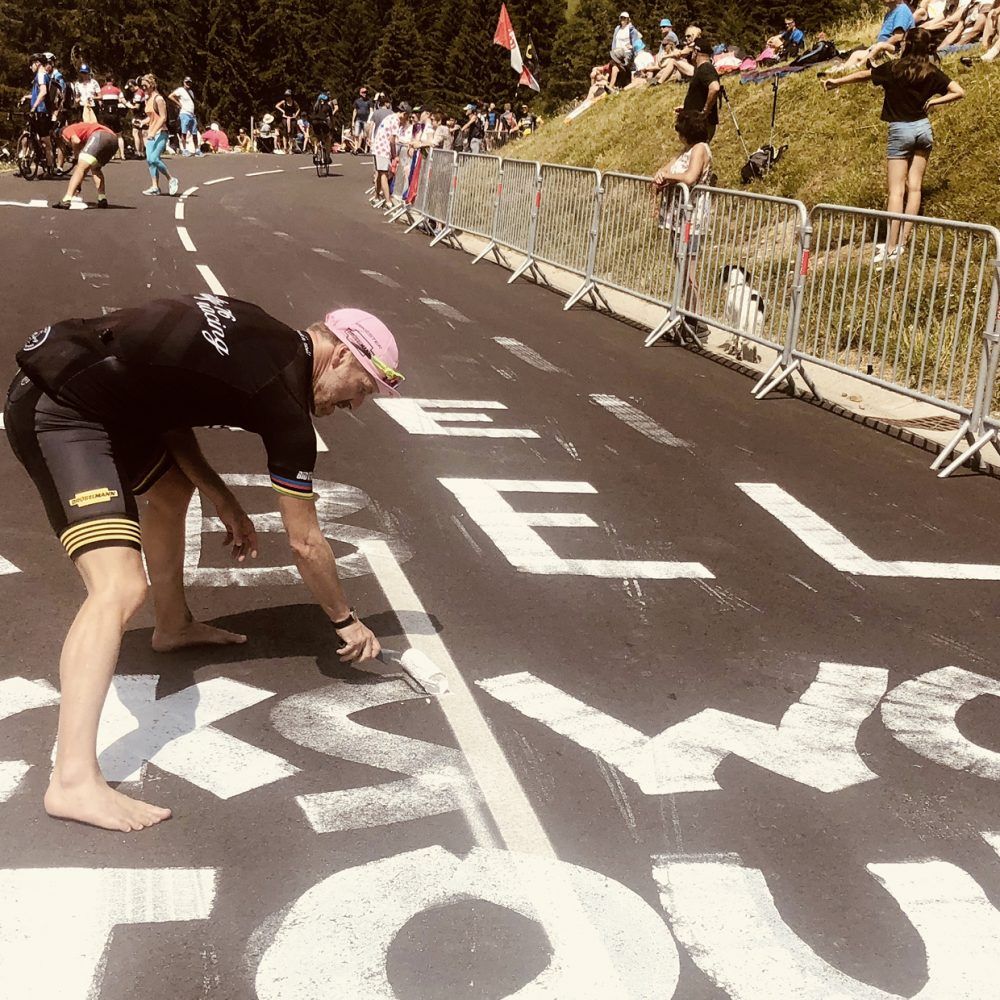
With a 2075-mile blank canvas waiting for fans to unleash their creativity, naturally a few paintings can cross the line of what is acceptable. Fortunately, race organizers employ their own team of road painters to turn the less family friendly paintings and explicit messages into daytime TV appropriate designs, just ahead of the peloton and the ensuing eyes of the world.
Want to add your own creation? Despite police and race organizers turning a blind eye, we caution that it is still illegal. But if you must, be sure to use non-toxic water-based paint or even better—chalk.
)
)
)
)

)
)

)