Pushing summits in every sense
The Tour de France Femmes took 41 years of false starts, sexist opposition, and grassroots petitions to become reality. This is the story of women’s cycling’s long climb to equality.
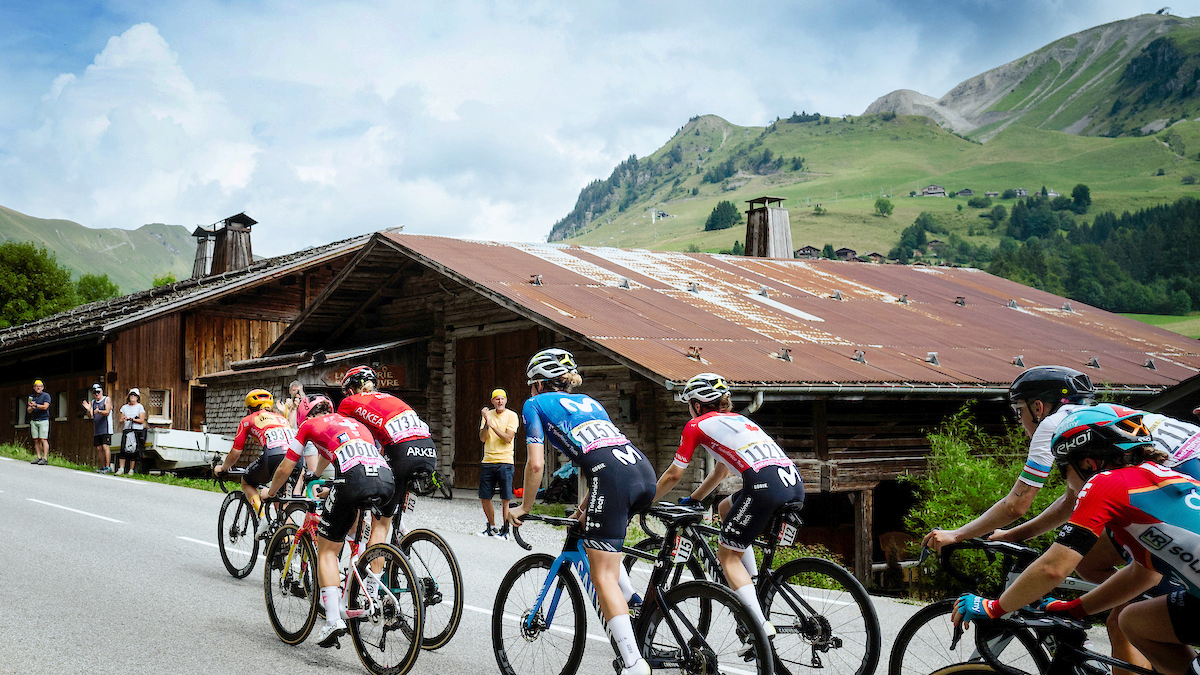
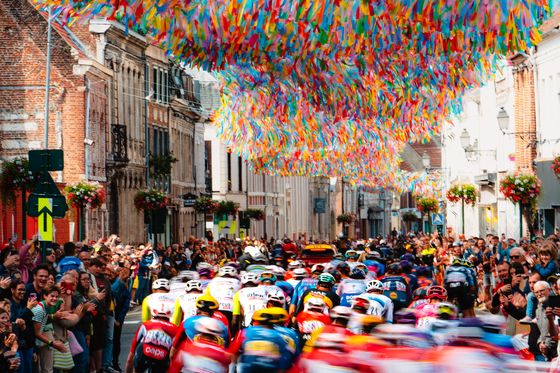
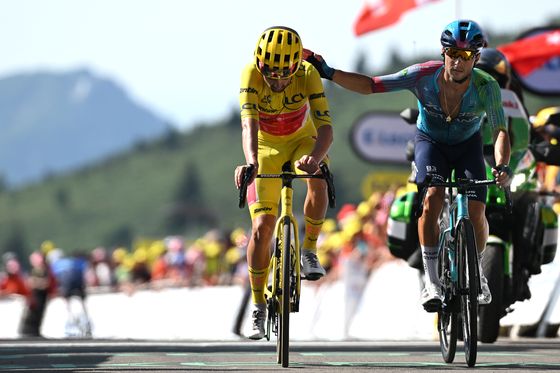
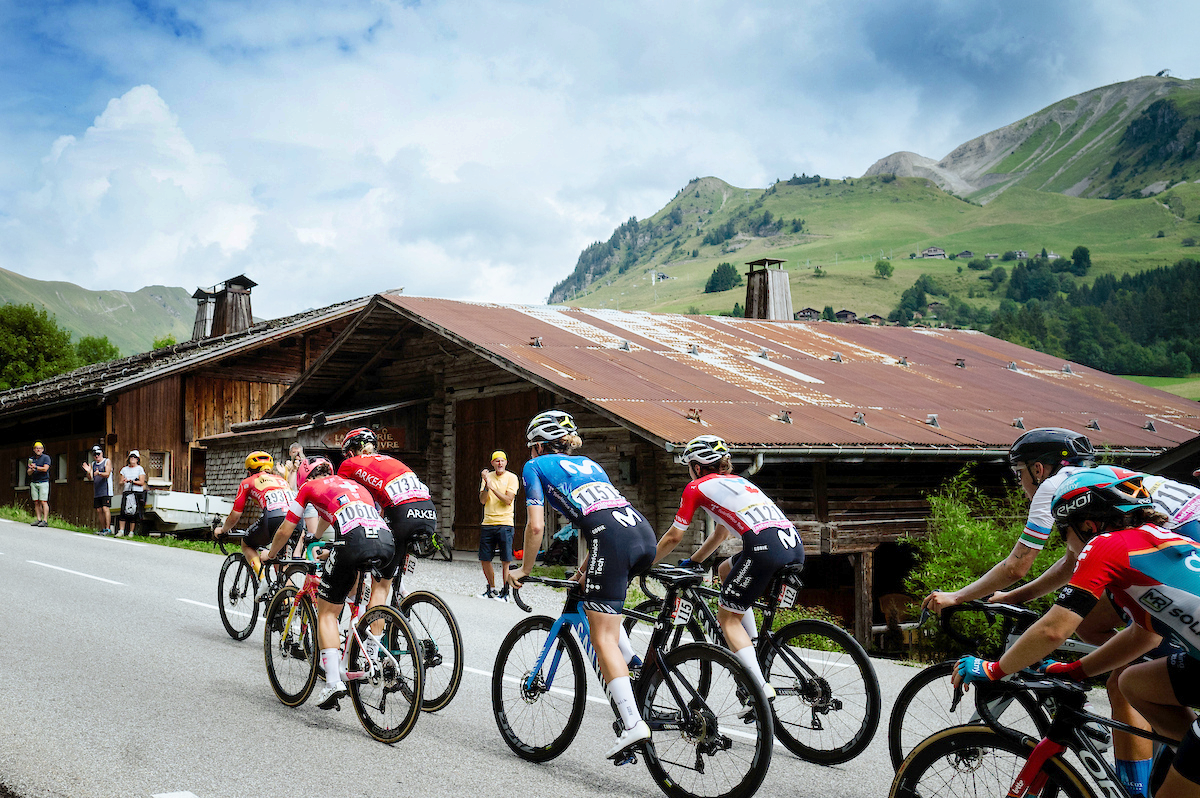
As the Tour de France Femmes avec Zwift comes to a close this weekend with two thrilling mountain stage finishes in the Alps, the road ahead for women’s cycling points to the sky in every way. Yet despite the obvious growth in recent years, the journey to today has been anything but a simple climb for the women’s Tour de France.

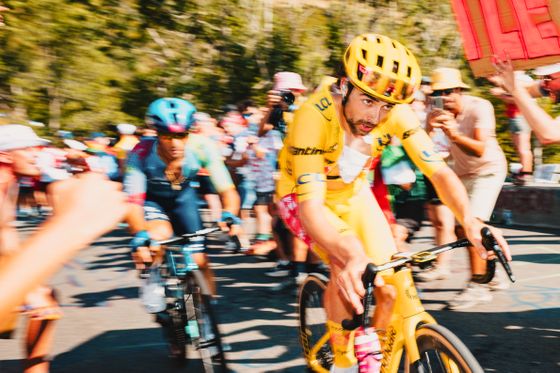
Following a brief 5-stage women's race in 1955, the cycling world waited nearly three decades before launching the official Tour de France Féminin (as it was known back then) in 1984. The race faced vocal opposition from many in France, including 1983 Tour winner Laurent Fignon, who said, “I like women, but I prefer to see them doing something else.” Despite the criticism, the race proceeded with the women racing just ahead of the male peloton on the latter sections of 18 of the 23-stages, including all the major climbs and sprint finishes, to full spectator crowds.

The race was won by American Marianne Martin, whose trailblazing victory earned her a place in the history books as the USA’s first ever yellow jersey winner. But her prize was only $1,000—less than 1% of what Laurent Fignon earned for winning the men’s race, and far below the $10,000 in debt she’d taken on to fund her attempt. Yet to Marianne and the other female riders, the spirit of 1984 was worth far more than money.
“The French didn’t think we would finish, and that’s something I think we were able to do for the women riding today: prove that we can finish and we can kick ass.”
Despite the strong showing in 1984, the race was something of a false dawn as the women’s Tour struggled to find sponsors and secure TV coverage, with race organizers eventually ending the Féminin in 1989 due to lack of funding. While the race was resurrected by others under several different names, issues with funding and sexist attitudes persisted, with the last iteration—Grande Boucle Féminine Internationale— ending in 2009.

After a petition to bring back the race garnered over 100,000 signatures in 2013, a one-day race known as “La Course” was created. Though criticized for not going far enough, it was an important steppingstone to the launch of Tour de France Femmes in 2022.
Anyone who’s ridden the ups and downs of women’s cycling over the past 41 years will no doubt carry some anxiety about what’s next. Yet, something about now feels very different.
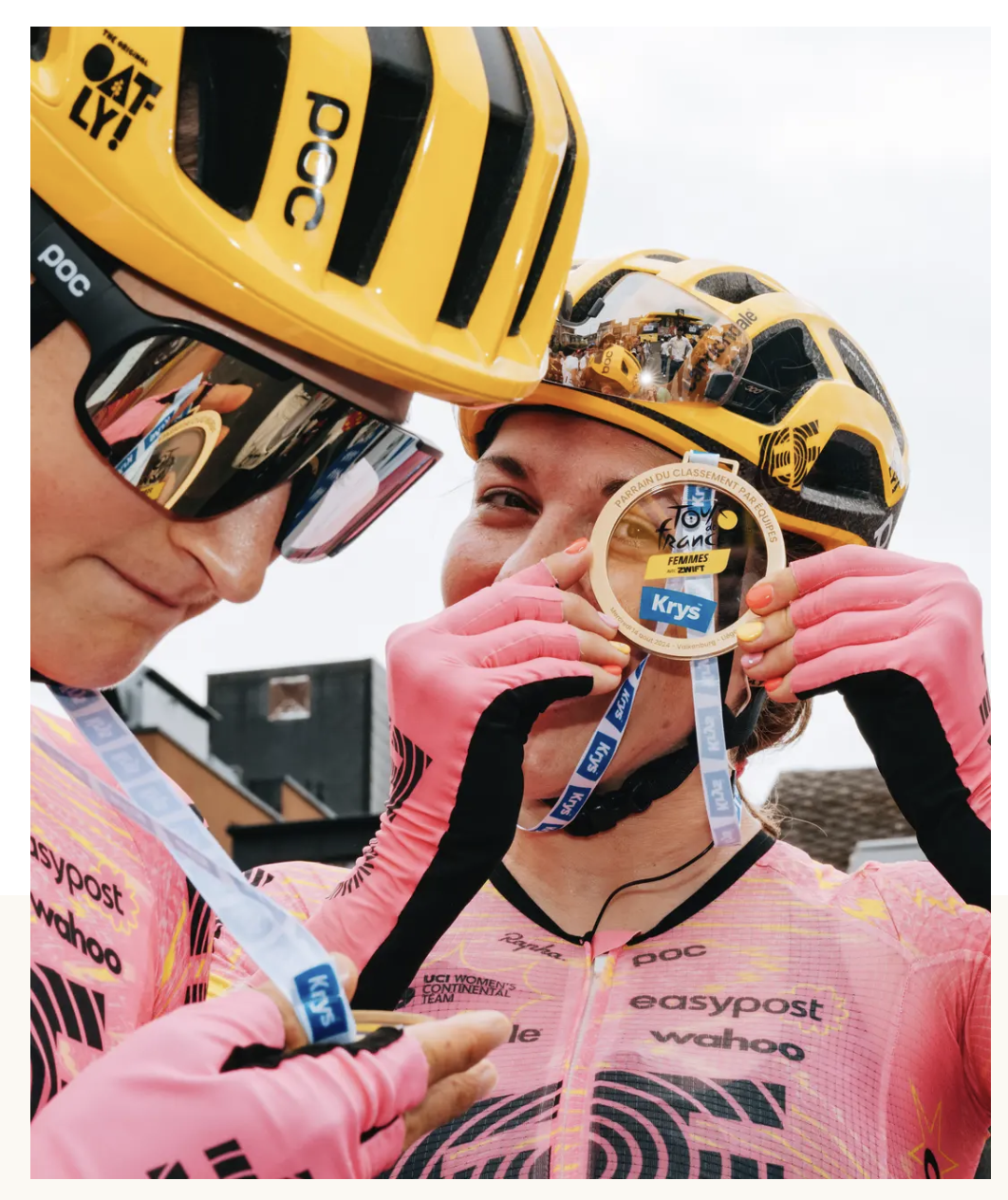
New UCI rules now guarantee women a World Tour professional minimum salary of €31,768 ($37,000) as well as benefits such as maternity leave. The total prize pool has grown to $305,000 with $57,750 reserved for the yellow jersey winner—still only around 10% of the men’s race. Finally, with higher investment comes higher levels of professionalism and athleticism. UCI continues to increase maximum distances for women’s cycling as witnessed in this year’s increases to both climbing (to 56,562 ft) and total distance (to 724 miles) on the Femmes, cementing the elite status and appeal of the women’s sport.

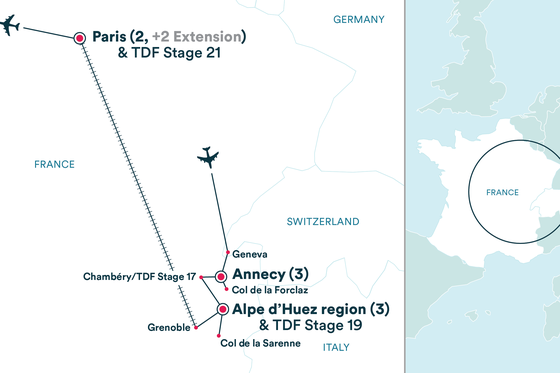
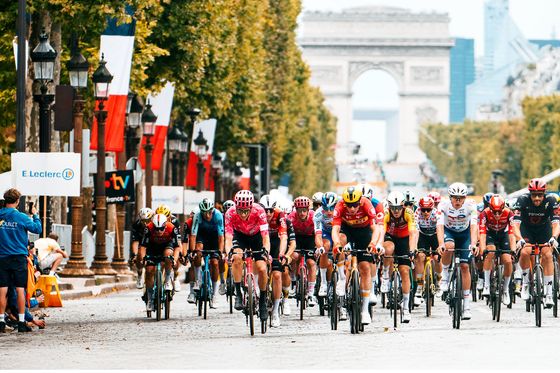
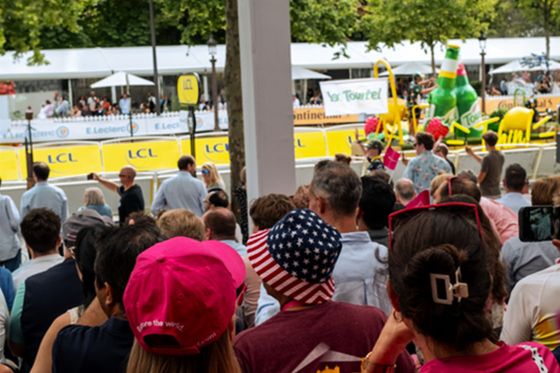
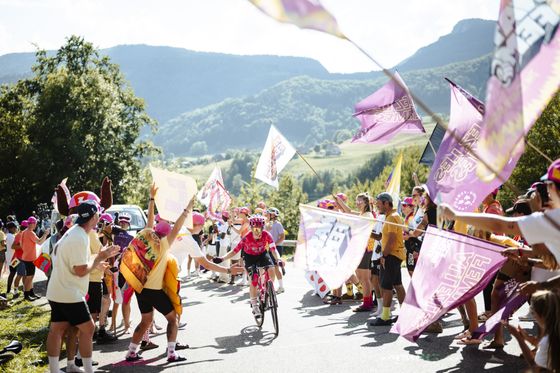
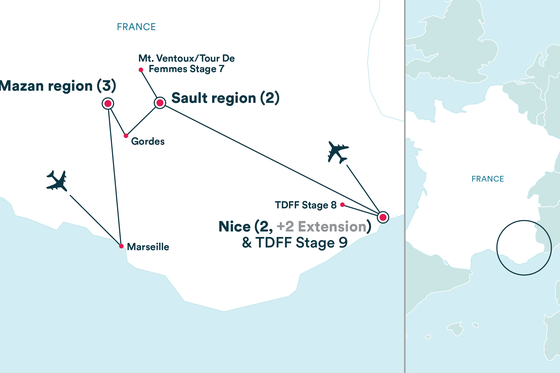
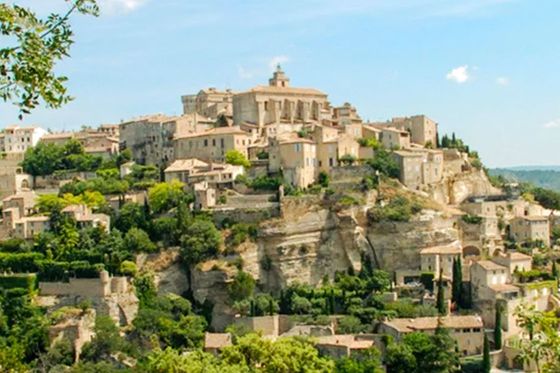
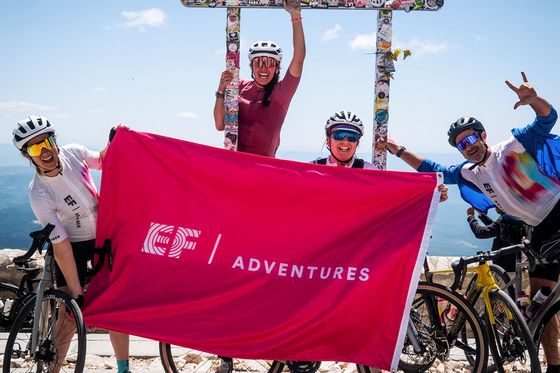
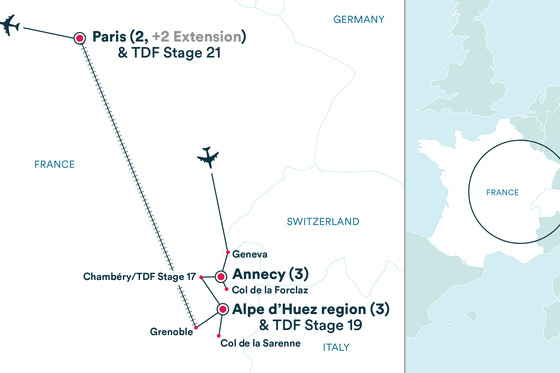
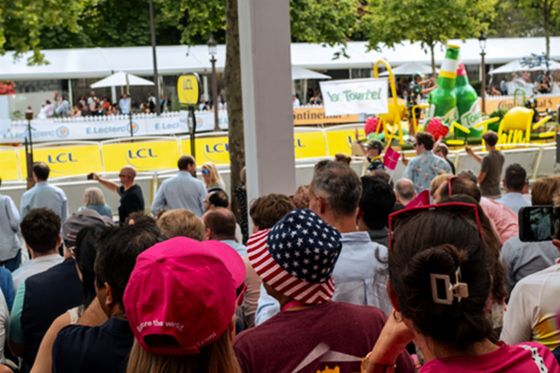
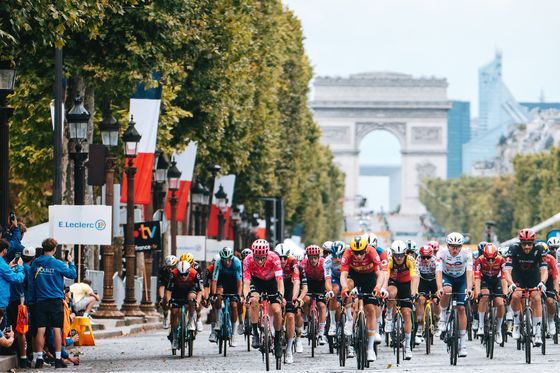
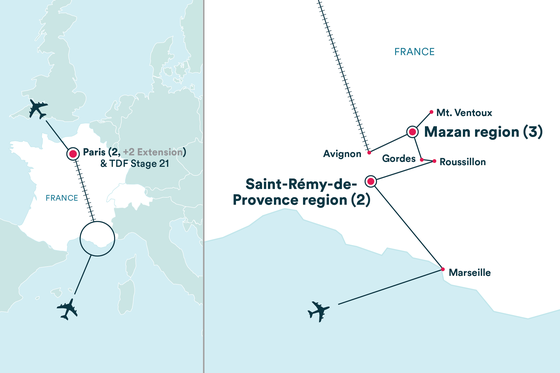
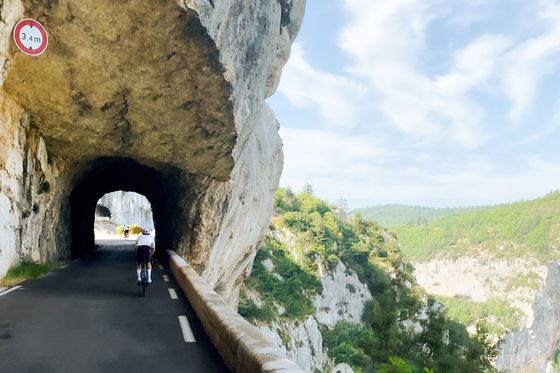
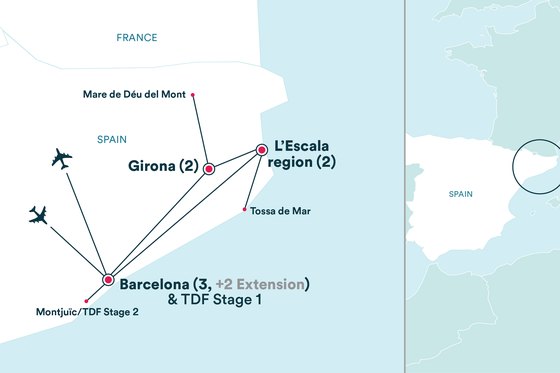
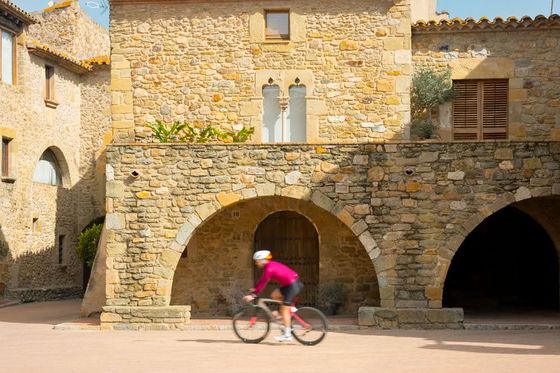
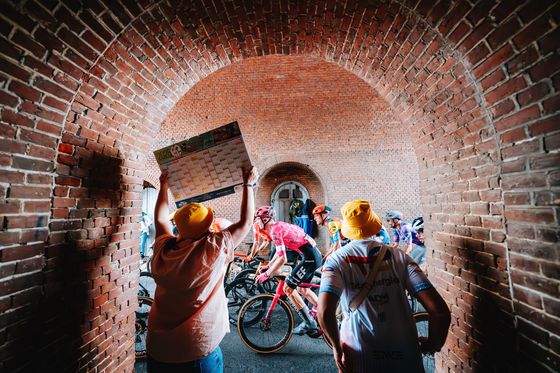
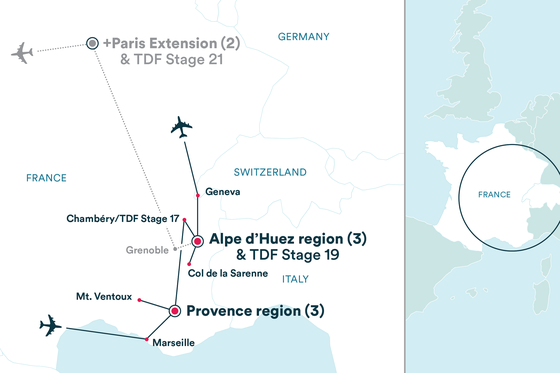
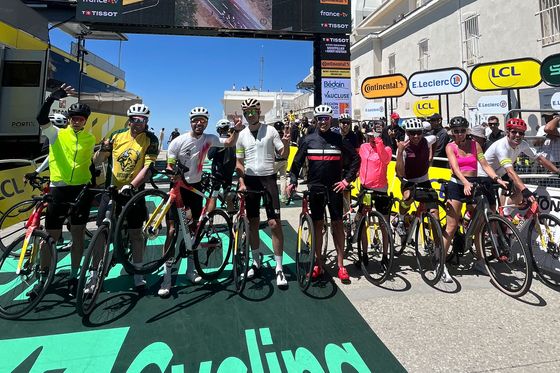
Want to get in on the action? Along with our EF Education – Oatly team competing in the Femmes, this year we were proud to invite cycling fans to experience the unique culture of the Tour de France Femmes avec Zwift both on-and-off the bike on our exclusive Biking tour. Riders tackled several stage routes ahead of the peloton before cheering on pros at the finish line. Allez!
)
)
)
)

)
)

)