)
Three Races. Three Landscapes. One Way to Watch.
What pro cycling looks like when you're actually there — on the Chianti gravel, in the Pyrenean crowd, at the Provençal finish line.
You can watch pro cycling from a couch. The broadcast has never been better — helicopter angles, data overlays, breakaway graphics. You'll see everything.
Except what it actually feels like to be there.
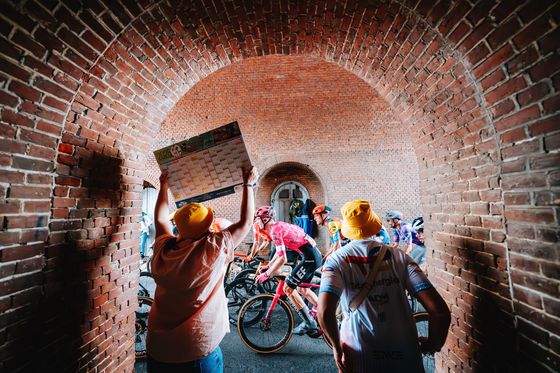
The dust that rises off the Tuscan gravel and coats the riders white by kilometer 20. The way the crowd on Alpe d'Huez stops making individual noise and becomes something else entirely — a wall of sound you feel before you hear. The silence that follows the peloton through a Provençal village, broken only by the whirr of carbon and then, just as fast, gone.
Pro cycling has always been a sport of landscape. The courses aren't just routes — they're arguments. The Galibier says something different about what a rider can do than the white roads outside Siena. Provence in late July says something different than the Pyrenees in early July. Each race is its own world. And the people who understand that best are the ones who showed up.
Here's what three of cycling's biggest live races actually look and feel like from the roadside — and how to be in them with EF Adventures.
Tour de France — France (and Spain) · July
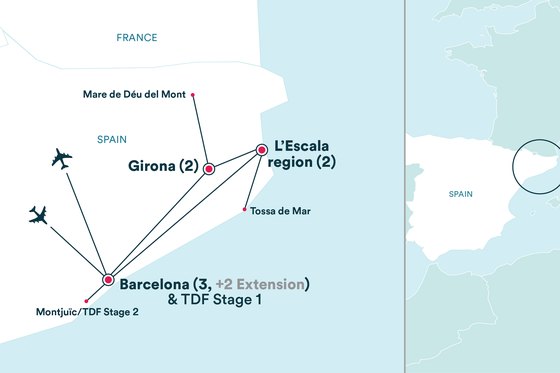
The 2026 Tour has begun in Barcelona. Stage 1 is a team time trial past the Sagrada Família — Gaudí's tower, completed this year after 144 years. The Grand Départ has found a fitting backdrop.
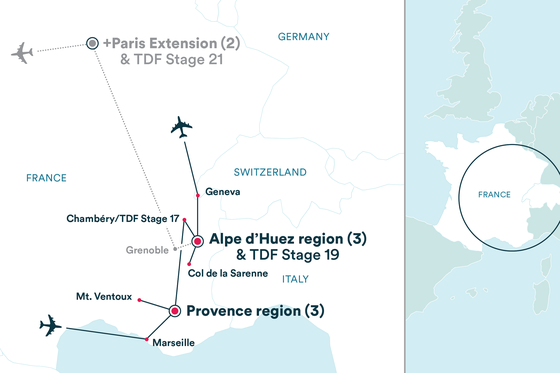
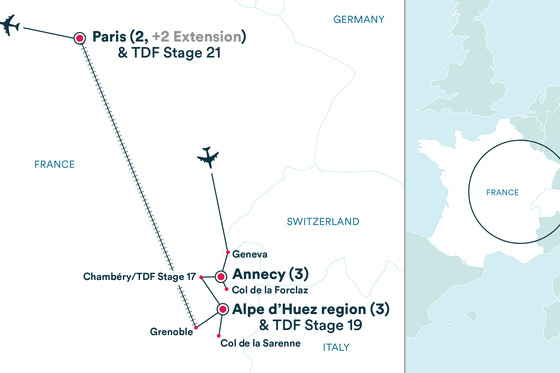
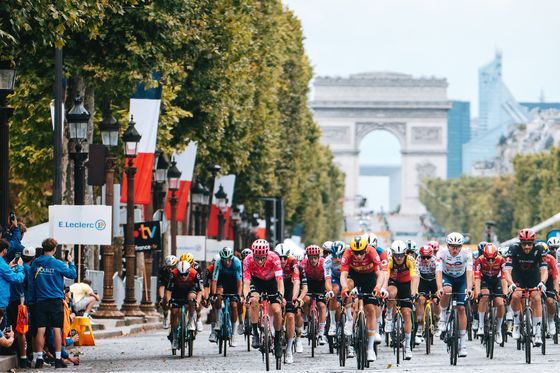
From Spain, the race moves through the Pyrenees, across the Atlantic southwest, up through Burgundy and Alsace, into the Alps. Twenty-one stages. Two rest days. Three mountain ranges. The largest sporting event in the world by roadside attendance — somewhere between 10 and 15 million spectators across three weeks.
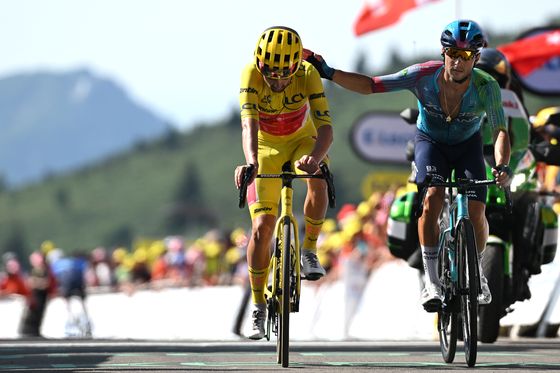
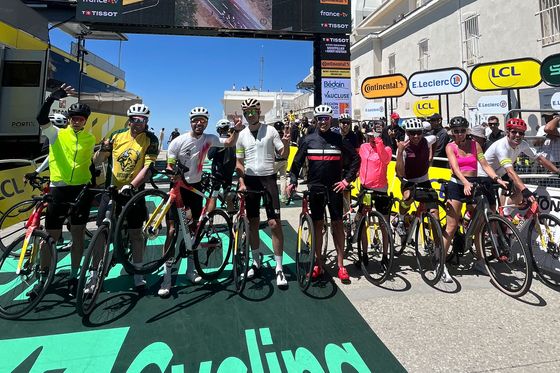
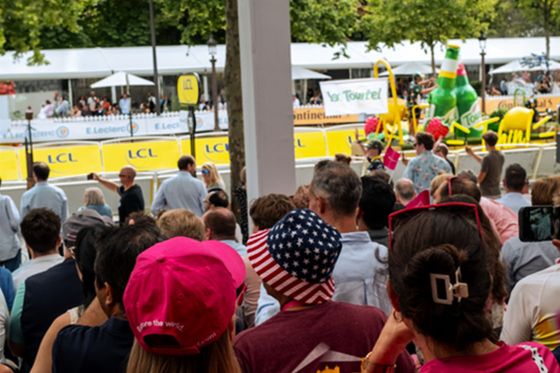
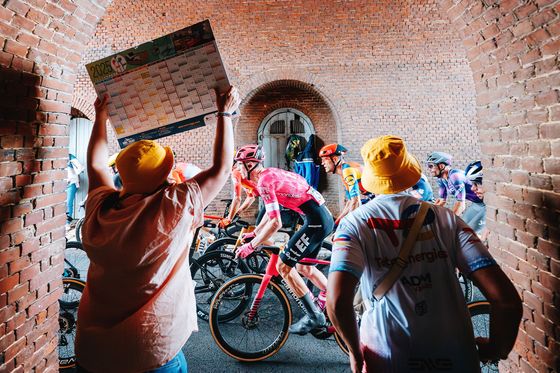
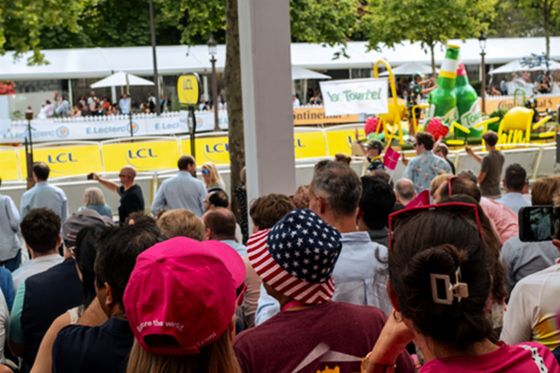
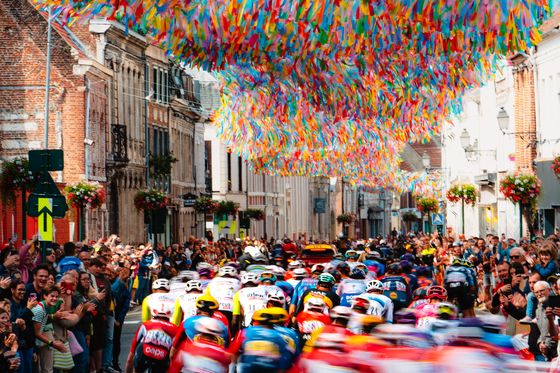
Being in those crowds is its own experience. The Dutch fans on Bend 7 of Alpe d'Huez — the corner named for Joop Zoetemelk — are not watching the race so much as becoming it. The wall of orange goes up hours before the riders arrive. By the time the peloton crests that bend, whatever individual noise was happening has merged into something else. You stop trying to describe it.
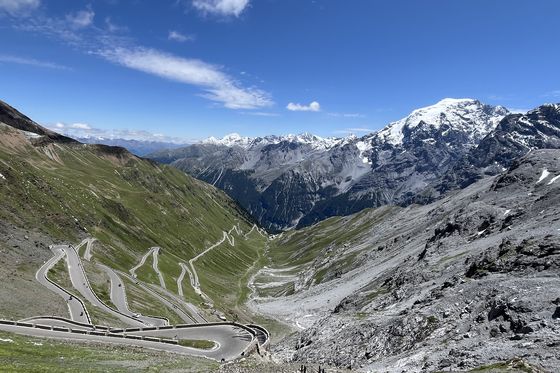
On the Col du Galibier — 8,668 feet, Henri Desgrange's memorial at the summit — the crowd thins. The air is thinner too. When the riders come over the top of Stage 20, the Queen Stage, they've already climbed two major passes to get there. What you see in their faces from the roadside is something you don't see in the broadcast close-ups.
Some moments in sport make more sense from five feet away than from five thousand miles.
Reserve your place on the 2027 Tour — itineraries release end of the year.
Priority access. Reserve with a refundable $1,000 deposit. → Ride Le Tour 2027 — get first access when itineraries drop

Tour de France Femmes avec Zwift — Provence & the Côte d'Azur · Late July
The Tour de France Femmes avec Zwift runs in the week immediately after the men's race — and increasingly, it's the one that delivers the racing.
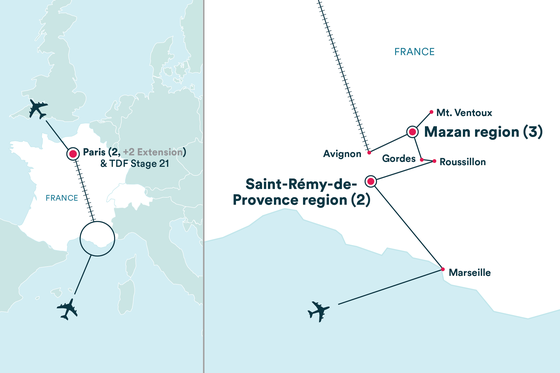
The 2026 route finishes in Nice. Before it gets there, it moves through Provence: the lavender hills above the Luberon, the gorges of the Verdon, the limestone ridgelines of the Var. It's the same landscape the men's race uses as backdrop. The women's race uses it as arena.
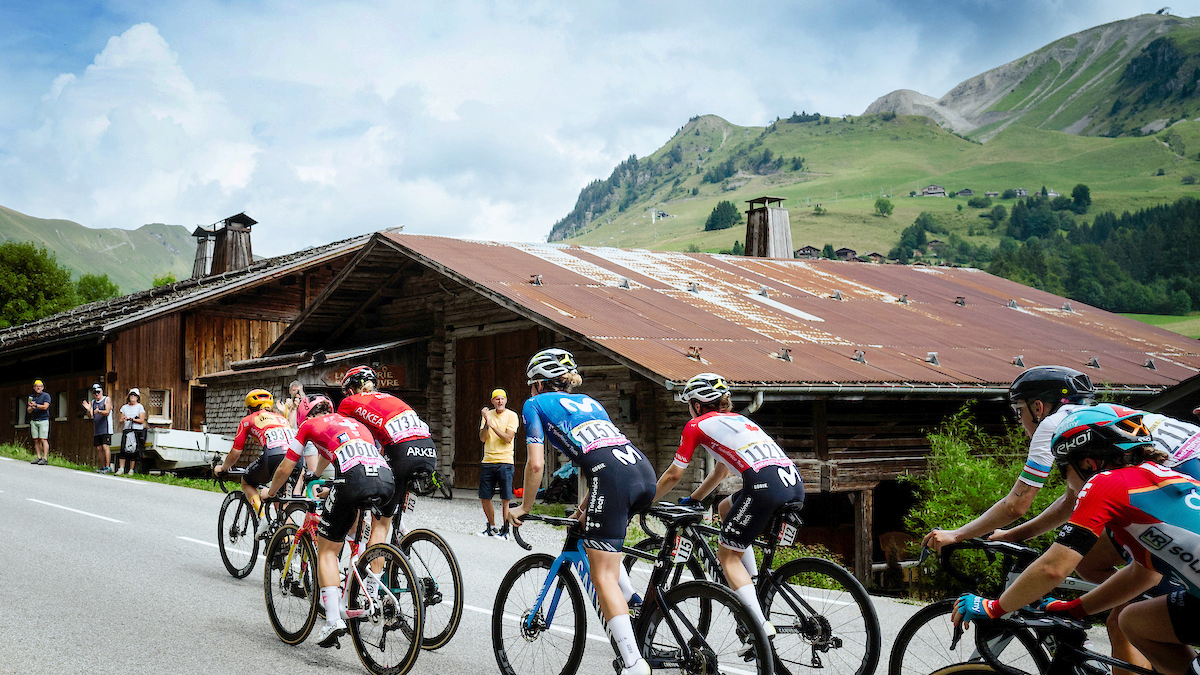
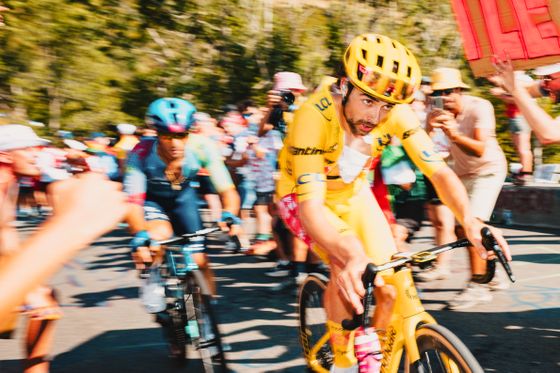
What you feel watching the Femmes live that doesn't transfer through a screen: the speed. These are the best women's cyclists in the world riding at the absolute limit of what's physically possible. The peloton arrives faster than your brain expects, passes before you've fully registered it, and is gone. Then comes the moment of silence that always follows the race — the thing that separates being there from watching it.
Fans petitioned this race back into existence — 100,000 signatures in 2013, after the predecessor shut down in 2009 for lack of funding. The version that exists now is the result of people who refused to let it go quietly. The version that exists now — with a prize pool of $305,000, a UCI-mandated minimum salary, increasing distances each year — is the result of decades of riders and fans refusing to let it go.
Ride stage routes ahead of the peloton. Watch the finish in Provence or Nice. → Tour de France Femmes avec Zwift 2026: Provence & the Nice Finale — 9 days from $9,499

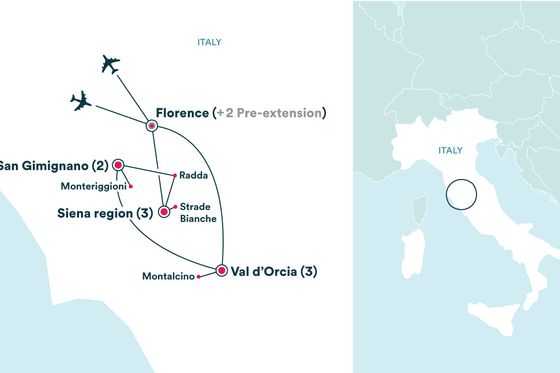
Strade Bianche — Tuscany, Italy · March
The first thing to know about Strade Bianche is that the roads were not built for racing. They were built for moving grain and wine into Siena. The strade bianche — "white roads" — are compressed limestone and clay, galestro and alberese, the same soil that grows Sangiovese. They predate the race by about 700 years.
The race arrived in 2007 and found everything already waiting.
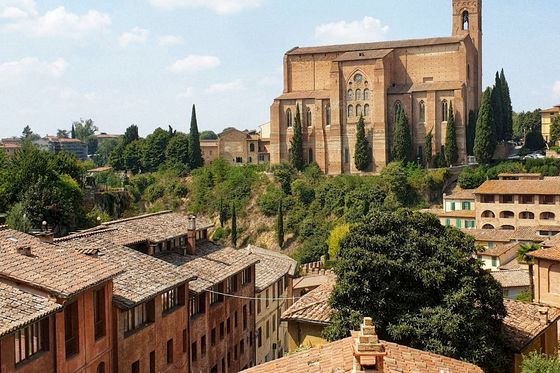
What happens on those roads — the slides, the gaps, the momentum fractures — can't be predicted. That's the point. The surface punishes riders who try to dominate it. The ones who negotiate with the terrain, who read each section and choose their moment, are the ones still together by the time the peloton reaches the final medieval climb into Siena's Piazza del Campo.
By that point, the riders look like they've been dusted with chalk. Because they have.
Standing at the VIP terrace as the field arrives — legs white, lungs working, stone façades of the 14th-century piazza unchanged behind them — is one of the stranger experiences in sport. Past and present occupy the same frame. The helicopters are modern. Nothing else is.
EF Pro Cycling is part of that story every March. In 2027, you can be too.
Ride the white roads. Watch the race from Siena. Dine with the EF Pro Cycling team. → Strade Bianche 2027: Tuscany, Italy — 10 days, from $6,799

The season, in order
Three races. Three countries. Three landscapes that couldn't be more different — Tuscan limestone, Provençal hills fragrant with lavender, the switchbacked silence of the high Alps, and then the Pyrenees that don't fit the pattern at all.
What they share is the thing no broadcast captures: the physicality of the crowd and the course existing in the same space at the same time. The smell of the grass on a Pyrenean hillside. The echo of a peloton through a Burgundy village. The particular silence that falls after 180 riders have just ridden through a place and left it exactly as they found it.
That's what live cycling is. The race leaves no mark. You carry the whole thing with you.
)
)


)
)

)