)
Why Adventure Travel Leaves You Feeling Different
Your body resets on the trail. Science explains why movement, water rituals, and shared challenge make adventure travel the world's oldest wellness practice.
You come home from a long trail day with your legs spent, your shoulders loose, and your head quieter than it’s been in months. That’s not a coincidence — and it’s not just the exercise. Adventure travel works as a wellness practice because it combines three things that modern life rarely delivers at once: sustained movement in natural environments, which measurably reduces the brain’s tendency toward rumination; water-based recovery rituals practiced across Iceland, Bhutan, Japan, and Thailand for centuries, which accelerate muscle repair and lower physiological stress; and the shared experience of small-group travel, which activates the kind of community connection that research links to long-term psychological health. Together, these aren’t incidental benefits. They’re the reason you come home feeling different.
There’s a specific kind of tired that follows a long day on the trail—not the depleted, hollow kind that comes from a full inbox or a delayed flight, but something closer to the opposite. A tiredness that feels earned. Your legs are spent, your pack is off, and somewhere between the last switchback and the first cold drink, something in you has quietly reset.
Most people chalk it up to fresh air and exercise. The actual explanation is more interesting.
How Natural Environments Reduce Mental Rumination
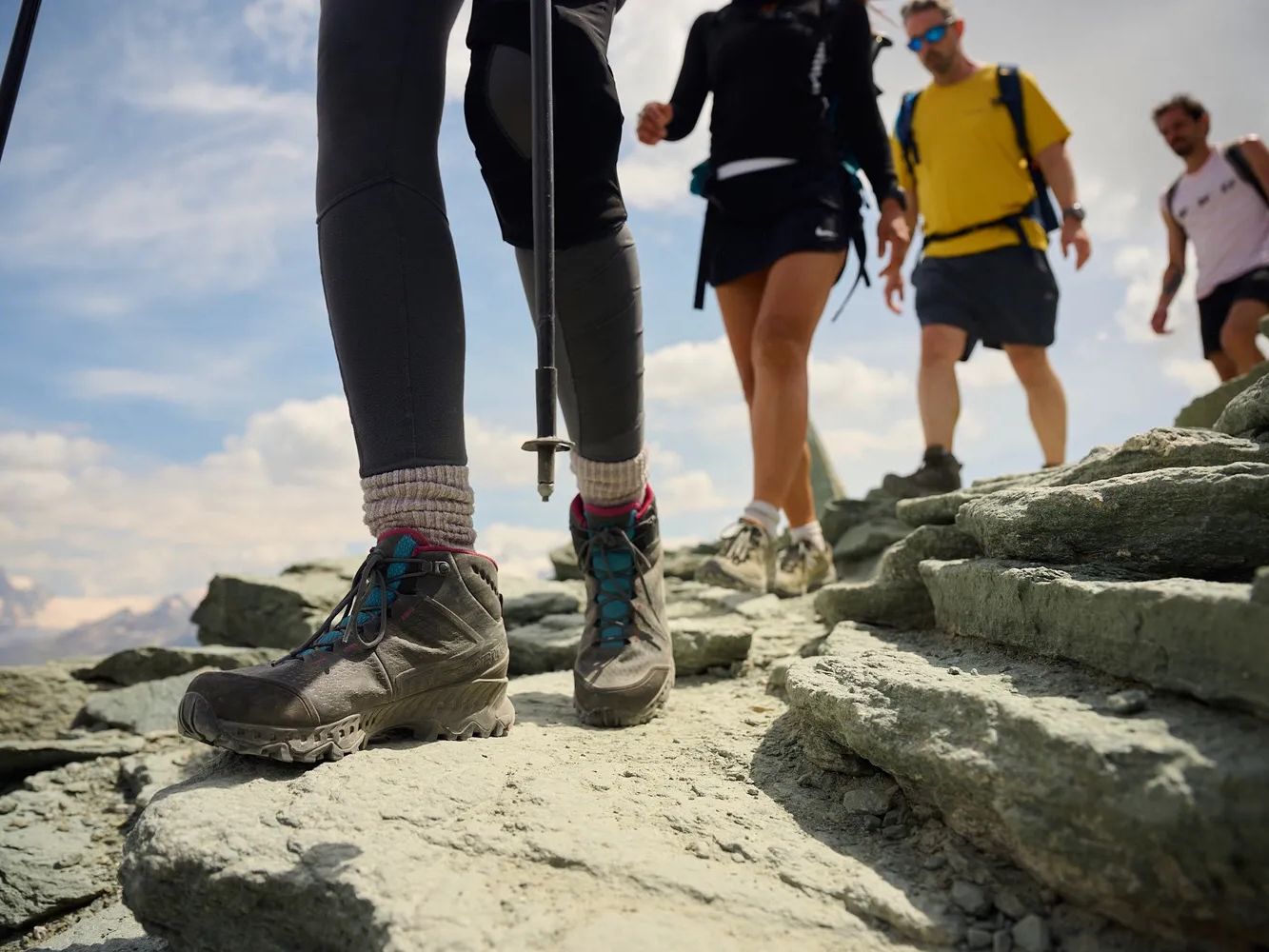
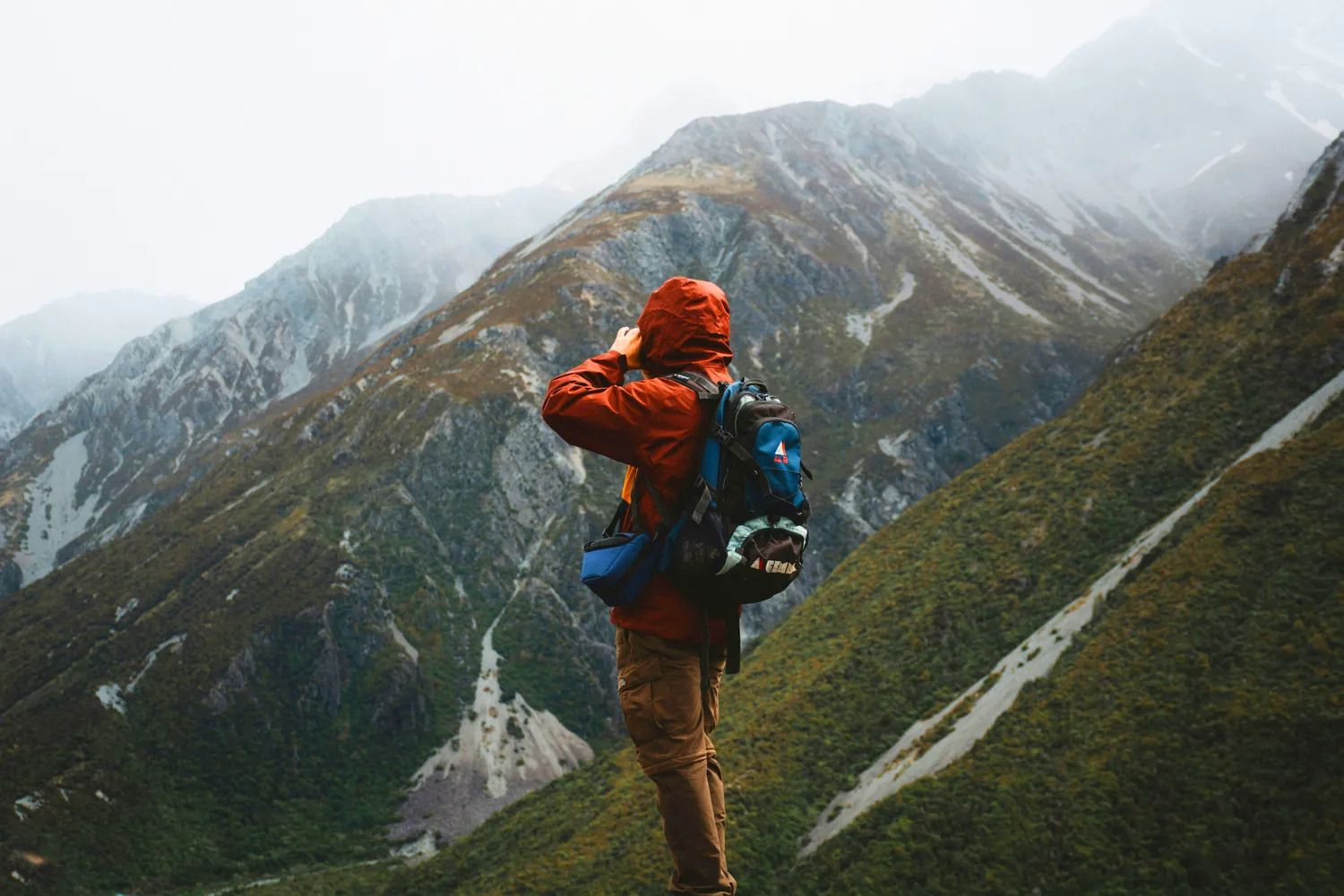
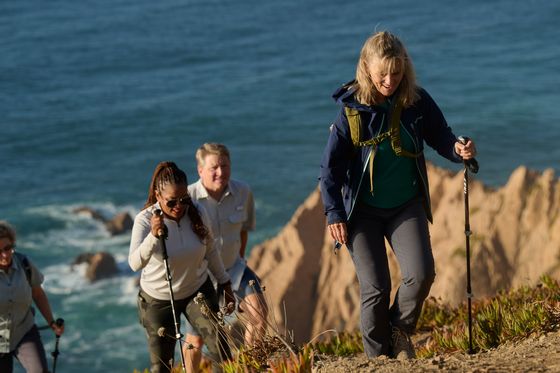
Exercise science has long documented the mood-regulating effects of sustained aerobic movement—the release of endorphins, the suppression of cortisol, the uptick in serotonin and dopamine that follows a hard effort. But research in environmental psychology has added a layer that matters for anyone who has ever felt the difference between a treadmill and a mountain trail: the setting changes the outcome.
In a landmark 2015 study published in Proceedings of the National Academy of Sciences, Gregory Bratman and colleagues at Stanford University found that participants who walked for 90 minutes in a natural environment showed significantly reduced activity in the subgenual prefrontal cortex—the brain region most associated with rumination, or repetitive negative self-referential thought—compared to those who walked for the same duration in an urban setting. The effect held even when controlling for physical exertion.
The mechanism behind this finding draws on Attention Restoration Theory, developed by Rachel and Stephen Kaplan at the University of Michigan, first articulated in their 1989 book The Experience of Nature and refined across subsequent decades of research. Their framework distinguishes between directed attention—the effortful, depleting focus required by screens, traffic, and deadlines—and soft fascination—a state of effortless, restorative attention that natural environments uniquely provide. The variation in terrain, the shifting light, the ambient sound of moving water or wind: these engage the mind without taxing it. The trail, in other words, does the cognitive work so your brain doesn't have to.
This is the difference between exercise and movement in nature. One is a transaction. The other is an environment.
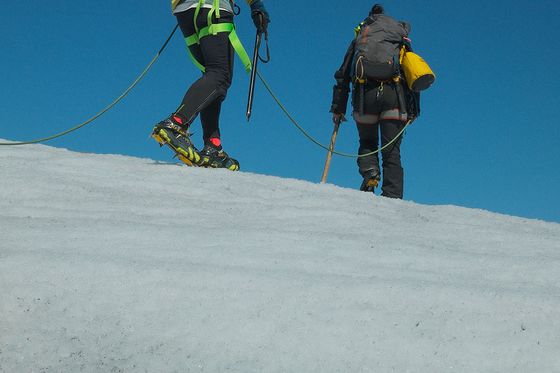
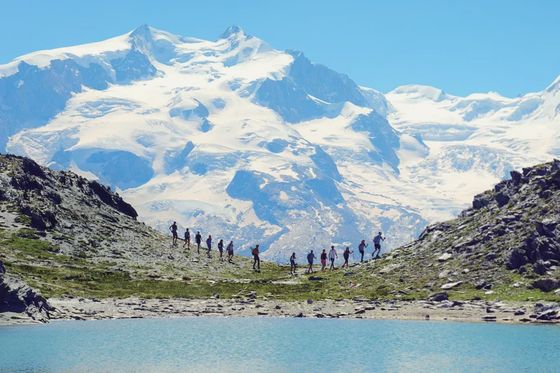
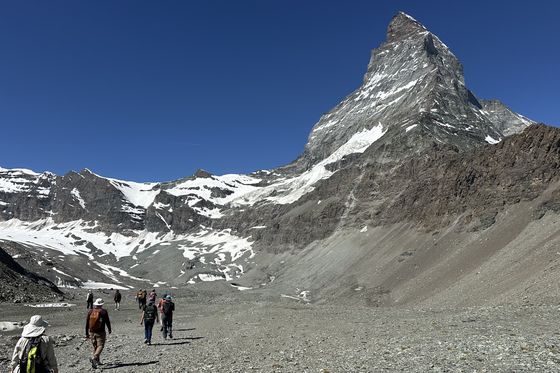
On an EF Adventures Hiking tour in the Dolomites, you'll cover 8–12 miles a day across terrain that shifts from limestone meadow to scree field to forest floor. The elevation changes are real. So is the silence above the treelined. By the third day, most travelers report sleeping better than they have in months. That's not coincidence—it's biology responding to the right conditions.
Water-Based Recovery Rituals in Iceland, Bhutan, and Japan
Cultures that live close to the land have understood the restorative logic of water for centuries. The science arrived later.
In Iceland, the practice of sundlaugarmenning—literally "pool culture," the deeply embedded social tradition of gathering in geothermal water—is less about luxury than it is about ritual. The mineral-rich water, heated by volcanic activity deep beneath the surface, draws blood to the skin, eases the tension that accumulates in muscles after a long day on the trail, and slows the nervous system down in ways that a hot shower at home simply doesn't replicate. The warmth does the work. On our Golden Circle & South Coast Iceland Multi-Adventure, a soak in one of these pools isn't an add-on. It's part of how the day ends.
On our Bhutan Hiking tour, the tradition is older and more deliberate. After the climb to Paro Taktsang—the Tiger's Nest Monastery, perched at 10,240 feet above the valley floor—a traditional hot-stone bath awaits in the valley below. River stones, heated in fire and lowered into wooden tubs filled with water and local herbs including artemisia and other medicinal plants, release heat slowly and evenly. It's a practice that predates modern sports medicine by several centuries, and it works for the same reason thermotherapy works today: deep, sustained heat accelerates muscle recovery, reduces inflammation, and signals to the nervous system that the effort is over.
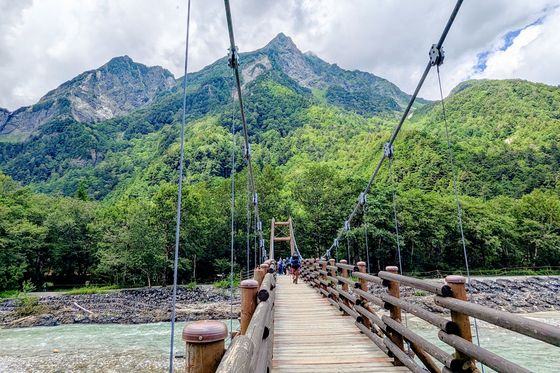
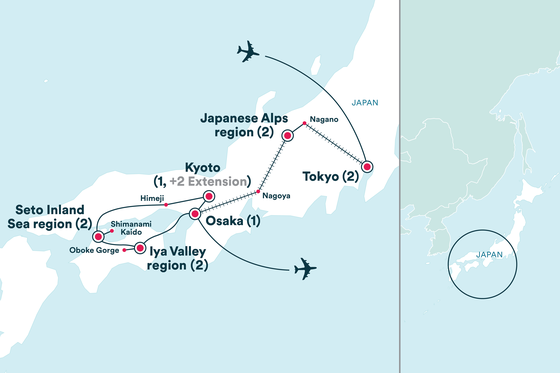
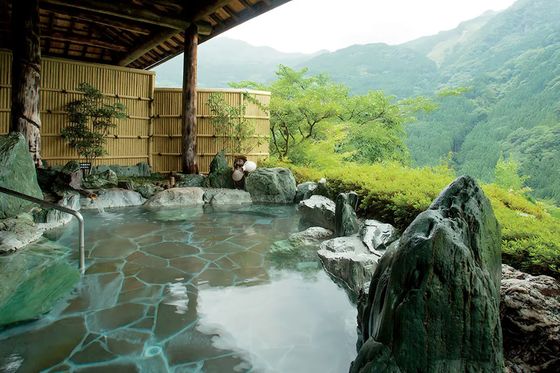
Japan's onsen tradition operates on similar principles—naturally heated mineral waters, often sulfurous or iron-rich, that have been used for therapeutic purposes since the Nara period in the eighth century. The ritual is as important as the water itself: the unhurried pace, the silence, the way time seems to slow when you're chest-deep in a mountain spring. On our Japan's Multi-Adventure tour, an evening onsen soak follows days of walking ancient pilgrimage routes through cedar forests and mountain villages. The contrast is the point.
Thailand’s Hiking tour, adds a different dimension. Nuad thai—traditional Thai massage, recognized by UNESCO as an Intangible Cultural Heritage of Humanity—is a system of therapeutic bodywork developed in Buddhist monasteries over 2,500 years. The practitioner works along sen lines—energy pathways mapped through the body's connective tissue—using pressure, stretching, and rhythmic compression to release tension that accumulates not just in the muscles but in the fascia around them. After days of hiking through northern Thailand's hill country, it addresses exactly what needs addressing.

Why Shared Experience Completes the Picture
Movement and water explain a lot. They don't explain everything.
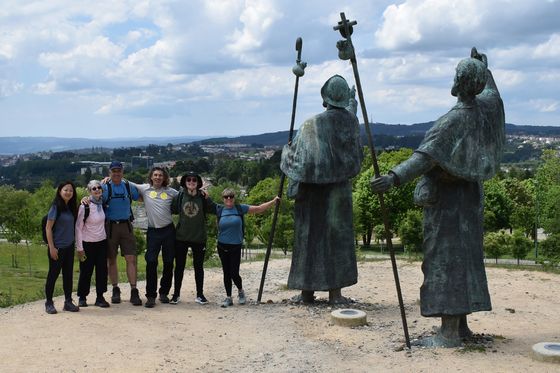
There's a third element that researchers are increasingly paying attention to: the effect of genuine community on physical and psychological wellbeing. Not the ambient presence of other people, but the specific kind of connection that forms when a small group of strangers shares a hard day, a good meal, and a view they didn't expect.
The Māori concept of hauora—a holistic model of health in which physical, mental, social, and spiritual wellbeing are understood as inseparable—holds that you cannot tend to one without attending to the others. Time outdoors, connection with the natural world, and the presence of community aren't separate wellness practices. They're the same practice, expressed differently.
On our New Zealand Multi-Adventure tour, you'll spend more than two weeks moving through landscapes that have shaped Māori culture for centuries—fiords, volcanic plateaus, ancient forests. The itinerary is varied by design: hiking one day, kayaking the next, cycling through wine country the day after that. But what travelers consistently describe afterward isn't the activities. It's the feeling of having been genuinely present—in their bodies, in the landscape, and with the people around them.
That's not a marketing claim. It's what happens when the conditions are right.
)
)
)

)
)

)










)



)